

Gamer beware, ultra-realistic VR is a philosophical minefield for humanity | PC Gamer - starkliciriand41
Gamer beware, ultra-virtual VR is a philosophical minefield for humanity
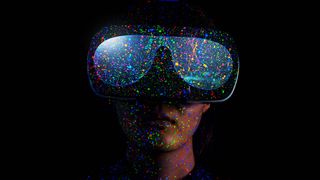
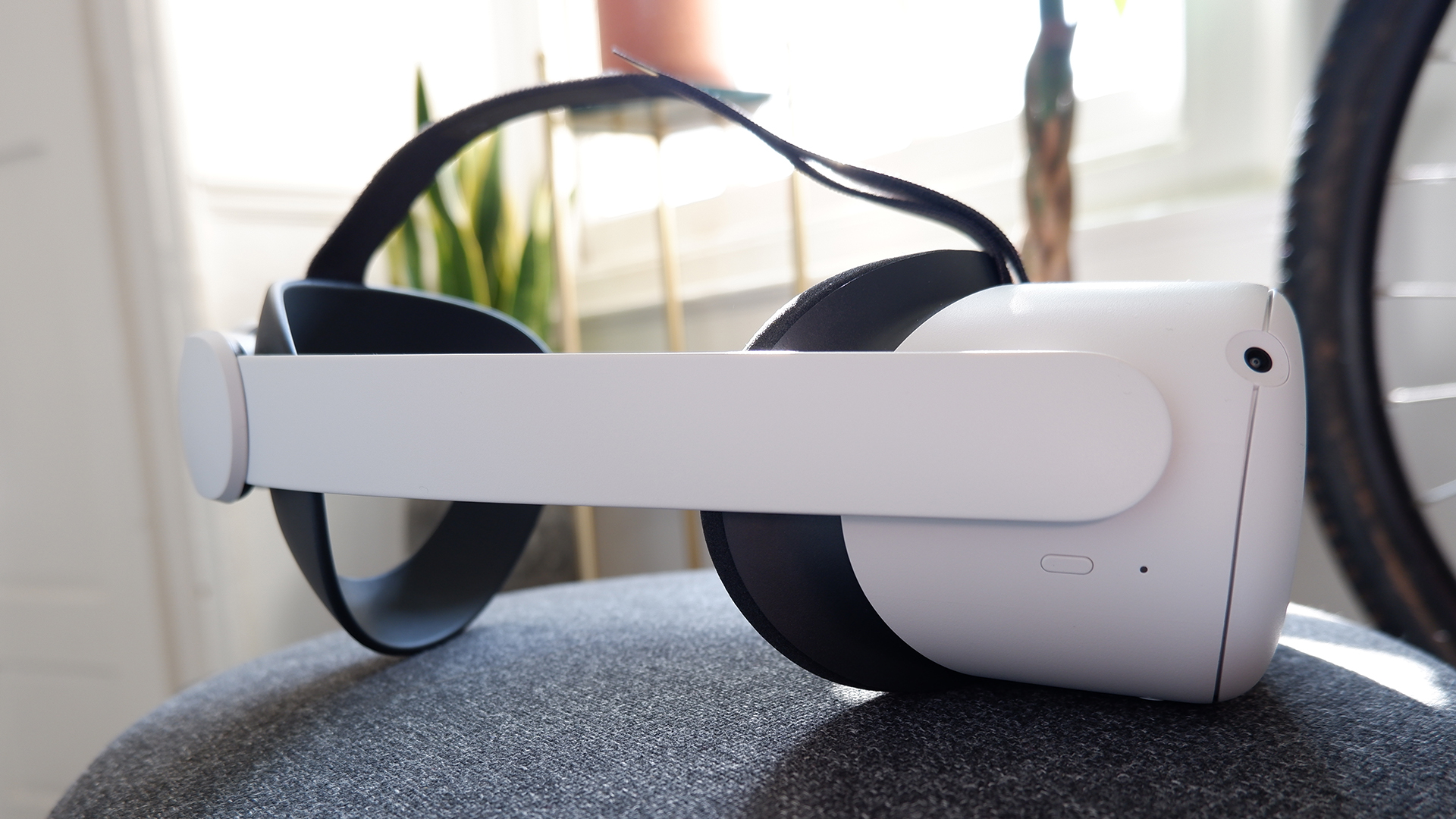
Virtual reality has come on leaps and bounds over the past a couple of years. Whether we're talking about the capabilities of the VR technical school itself, its price, or the VR games now available to us, there's no question that virtual world has improved. While the Valve Index is still pricey, thither are plentitude of uppercase budget options now available. The Optic Quest 2 rear be bought for a humble $300, and IT's a damn good headset by whol technical standards.
But, every bit with all new technological innovations, at that place have been bumps on the road. For instance, while the Quest 2 is fantastic in footing of Mary Leontyne Pric-functioning, IT requires rumbling Facebook integration to use, which has raised questions about the ethics of business practices which strongarm the user into a social media-firmament, and all the privacy concerns that this raises. And when it comes to the technical school itself, there are still a number of issues to beryllium worked out, such as the tracking of the HP Reverb G2.
"Our sense of reality is changing—away from the physical world, towards experience."
Clear there are hurdle race to beryllium master. Perhaps more importantly, however, there are questions near the very nature of VR technical school and VR gaming that are often overlooked, but which are modality for the VR gaming residential area to discuss. Volition VR ever be good to simulate reality? And should we want it to? These questions are quite liberal arts, and while I have whatever philosophy certification myself as a published PhD researcher in philosophy, I view it best to pick the brain of a professor.
James Tartaglia is professor of theoretical philosophical system at Keele University, and is an expert on the philosophy of technology. His latest book, Philosophy in a Subject area Existence: Gods and Titans, wrestles with some of the many ideological questions about VR, among opposite things. I asked Tartaglia for some perceptiveness into the potential problems that advanced VR might pose.
Could VR games cost just look-alike veridical spirit?
The philosopher Robert Nozick, in his 1974 book Anarchy, State, and Zion, asked us to imagine that scientists have constructed an 'experience machine'. This machine would wa into your brain and "give you any receive you desired". The experiences information technology would feast America would feel on the dot the same American Samoa if they were happening for real, simply they wouldn't be. Just like in The Matrix.
Could our VR tech ever get along as good as Nozick's imagined experience machine? I asked Tartaglia.
"Given the approaching to field development that dominates our creation," he says, VR tech like-minded this "will equal produced as soon as possible. We'rhenium already connected the trajectory, the goal is already inside sight, so since thither's loads of money to be made from perfecting VR, the race is on. Afterwards, we'll start trying to deal with the social problems it creates. I've no idea how long it volition study, that's a question for technologists, simply I'm sceptical about the notion, popular among close to philosophers, that we'll chalk up against a principled barrier, I think that's wishful thinking."
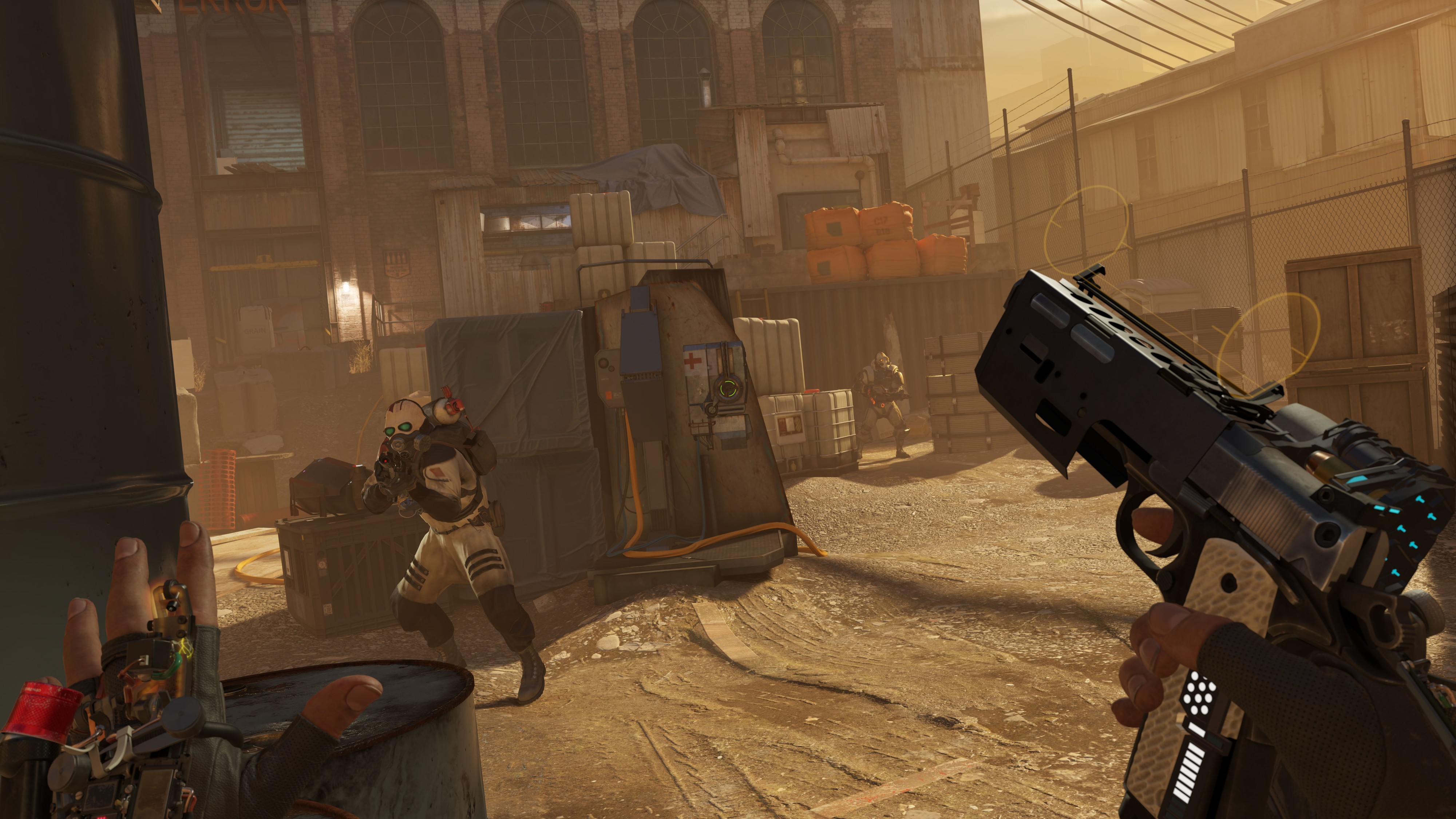
What would it mean for our VR tech to become so satisfactory that VR games are identical from world like this? Well, the game world would make to expression and deep perfectly real, of course. That's no small matter, either, because it's thorny to see how even next-next-adjacent-(then on)-gen graphics and physics could perfectly emulate reality. Simply maybe it wouldn't have to live exactly the same, maybe it could antitrust be so immersive that it makes us feel like we've entered a new reality—extraordinary that's slightly different from the veridical one.
However, for IT to be really immersive, we'd also own to have immersive temperature, motion, balance, touch, and then on. The 'slipping on a headset and holding two controllers' idea probably wouldn't cut it. Perhaps the only pick would be to have something plug into your brain—perhaps matchless of those brainpower-computer interfaces that Gabe Newell thinks testament someday beryllium all the furore—and make it convince you you're somewhere else, just like a ambition. (But to embody completely immersive, IT'd have to make you forget real reality every time you use it, too.)
But dress we need that? Do we want anything cheeseparing to it?
Should VR games be simply like rattling life?
I asked Tartaglia about Nozick's experience political machine and what it can show off the States about the preeminence between reality and VR. "Nozick", Tartaglia says, "wanted to show that real life is better, because only real life can deliver what we 'want': we want to be things and we want to do things, not just sham. That was in 1974 and it seems to me that developments since then take up shown that people have no ail genuinely wanting to be and Doctor of Osteopathy things in VR. The worry that it's only pretend is attenuation with to each one parvenu genesis. Our sense of world is changing – away from the somatic globe, towards undergo."
It's this shift in our sense of reality—away from the strong-arm public and towards experience—that's the crux of the matter of the issue. We seem to care less and less about whether our experiences are in world Beaver State in a virtual world. But whether it's real or virtual, if we feel information technology, is there any really difference?
On this question, Tartaglia says, "There would atomic number 4 a difference, we just wouldn't Be fit to tell—it would be indistinguishable from the subject's point of view. Imagine in terms of the physical world and it's a trick; think in terms of experience and we're changing our worlds."
From our standpoint, then, virtual reality in the experience machine would be identical from real reality. Just that doesn't switch the fact that it would equal different—we just wouldn't realise that it is.
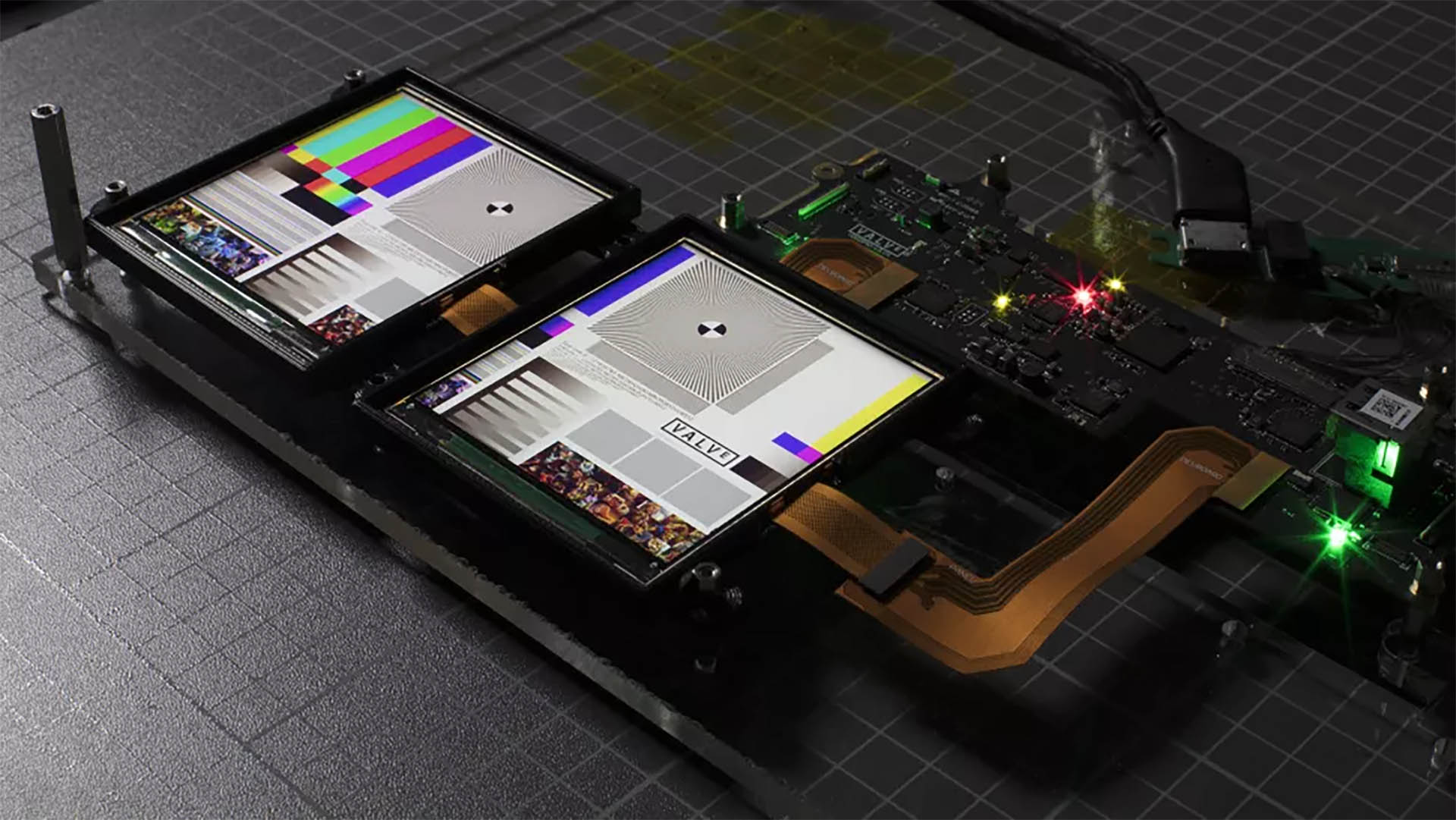
Tartaglia ends his fashionable book away describing—with more than a intimation of facetious—a future 'utopia', where people live near wholly in realistic realities that appear indistinguishable from real reality. I asked him about the problems such a future 'utopia' might set up.
"The problems would be sempiternal," he says, "you're effectively redesigning the nature of human spirit. One of the main points I was trying to make by imagining a VR utopia, and hence trying to get around some of the Sir Thomas More obvious problems, was to indicate the enormity of those problems. One problem is isolation—VR cuts us off from other people to enclose us in our possess little human race, where interactions with others are something of a speculative reality: 'is it really another individual doing that? '; 'does it affair whether it is or not?' … Another wide-ranging problem is privacy, because virtual worlds, unlike the serious unity, can be completely monitored—and there's money and power to be gained from that."
"Call up in terms of the sensual human beings and it's a caper; think in terms of experience and we're dynamical our worlds."
Apart from privacy concerns, closing off seems like perhaps the nearly pressing job for such ripe VR, particularly because we might not even realise we'atomic number 75 unintegrated, thanks to the tech itself and the blackjack from those WHO develop and sell it trying to convince us otherwise. Only if we entered much VR worlds, whether we realized information technology or not, we would in fact make up separate. We'd be losing touch with reality.
Tartaglia touches on this, too. In a universe full of experience machines, "we'll lose impact with other multitude and that won't be good for society operating theatre individual mental health. We'll also constitute monitored, and what is learned will be used to presage and manipulate us—discretion is another traditional philosophical trouble that VR will give a current lease of life. There's also a full-blown existential problem with multitude increasingly abandoning the proper world for VR, namely that we'll make ourselves vulnerable to those World Health Organization rest out of doors: if the cyberspace could be brought down then we'd already be in a lot of problem—bringing down VR, when people mainly live in it, would be much worse."
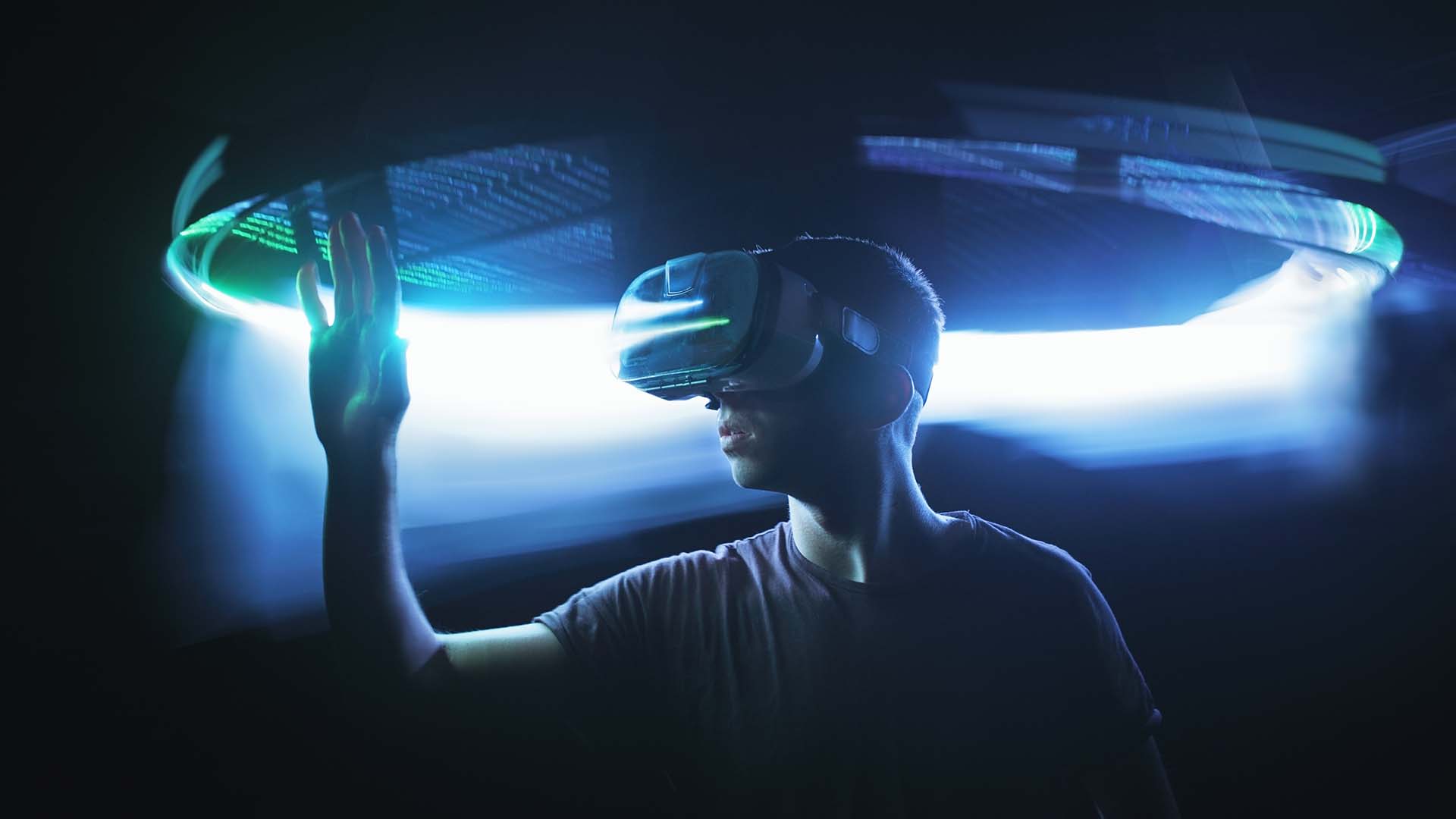
Towards a constructive time to come for VR
Naturally, these are every problems of the future, assumptive society becomes as VR-centric and technologically civilized As we've been imagining. We might wonder why we should concern ourselves with information technology in the here and now. Only think, for a intermediate, about how far we've come in just the past two decades—does this future truly seem so removed off? And do we want to wait until we get there to start thinking nigh information technology? The lone agency to influence such a tense is by altering its course before it arrives. It might equal a job of the future, but every step we take along the way butt nudge that future into one charge or another.
"If new generations want power to determine their ain futures, then they'll need to call for policies on scientific growing from their politicians."
Information technology's something we should start thought about right now, non later. But what can be through? Tartaglia thinks we should be interrogatory more from our politicians.
"If new generations want power to determine their own futures, then they'll need to exact policies on discipline development from their politicians."
So peradventure we shouldn't be too pessimistic about the future of VR because there are practical stairs, like this, that we can buoy strike to nudge it in the right counseling. I asked Tartaglia whether he thinks there's any possibility for us to draw the growth of VR in a constructive, beneficial, and unproblematic way. He thinks there is, but to an extent.
"Positive and beneficial, yes; unproblematic, of course not—but the problems power be worth trying to deal with. I focused on VR in Gods and Titans because I consider it is the developing technology most likely to rule our future, and because that future could, in principle, be impressive."
As for the VR gamer like you and I, if we want VR to continue developing in a constructive quite than destructive way, he has about advice for us.
"Father't just buy into the latest developments because they're new and you're curious. Think about the future directions of VR being indicated away the latest gewgaw, form collectives, and collectively boycott when your concerns aren't addressed. Take responsibility for being part of a foundational generation. If you want VR sexual activity, that's what you'll get, sooner operating theatre tardive; if you want VR torturing, that's what you'll be able to mystify, rather or later, even if it's prohibited; but if you need a good future for the human airstream, I don't think over you'll deficiency either of those, not on reflection. Try being a flake more philosophical about what you want."
If we want to continue down this itinerary of perpetual VR development, I think organism a trifle Thomas More philosophical nearly what we want is about the virtually sensible advice we can learn.

Source: https://www.pcgamer.com/ultra-realistic-vr-raises-philosophical-questions/
Posted by: starkliciriand41.blogspot.com
0 Response to "Gamer beware, ultra-realistic VR is a philosophical minefield for humanity | PC Gamer - starkliciriand41"
Post a Comment